
Global warming and the North Sea coast

The world is changing. According to public data, the average temperature in the Netherlands has risen by roughly 2.3 °C since 1901 — faster than the global average. For a country where a third of the land lies below sea level, this is not an abstract figure but a daily reality for water boards, farmers and coastal municipalities.
Pressure on the IJsselmeer, the Wadden Sea and the southwestern delta calls for calm minds and long-term planning. Protecting soil, water and biodiversity sits at the centre of every new spatial vision. The goal is not speed, but continuity — a Netherlands still liveable a hundred years from now.
The Dutch role in the renewable transition

The Netherlands is among the European leaders in installed solar capacity per inhabitant. Rooftops on houses, stables and logistics centres are gradually being used as production zones. Dutch energy companies are also building offshore wind, with IJmuiden Ver and Hollandse Kust as key projects.
Development of hydrogen corridors between Rotterdam, Groningen and North Rhine-Westphalia connects industry, port and hinterland. It is a long journey, with technical and social questions — but the direction is clear: less dependence on fossil imports, more protection of the climate.
According to public reports, the Netherlands aims to cut greenhouse gas emissions by at least 55% in 2030 compared to 1990. Reaching this goal requires a combination of rooftop solar, offshore wind, energy savings and careful planning of the electricity grid.
We believe in a calm, evidence-based transition — with respect for people, the soil and the horizon.
The future of agriculture: Agriculture 5.0
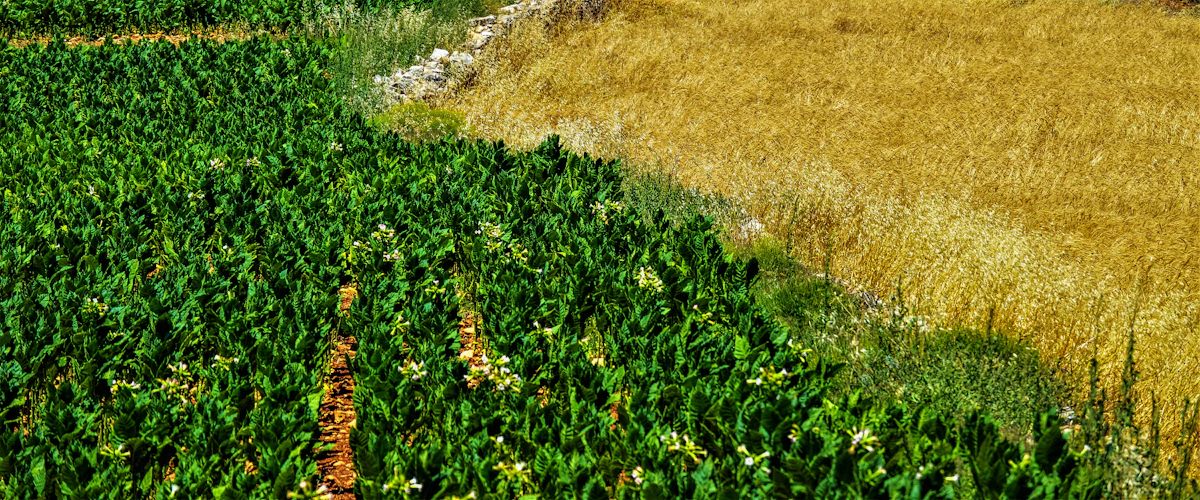
Dutch agriculture has taught the world how to feed people with limited space. The next step is called 'Agriculture 5.0': a combination of precision technology, regenerative practices, circular thinking and respect for soil and animals. Sensors, satellite data and local knowledge meet to save water and fertiliser.
The future of our food supply depends on cooperation between farmers, researchers and citizens. Education, transparency and fair prices matter as much as new technology. Protecting nature is not ideology — it is a practical condition for continuing to harvest.